Wellbeing / Research-based guide
A Quieter Day Out: Plan Around Loud Sound Before Buying Gear
By Asian Beauty Finder · Updated October 29, 2026 · Research-based editorial
In this guide
Start by reducing exposure: lower the volume, move away or take a break somewhere quieter. When loud sound cannot be avoided, use suitable hearing protection rather than assuming any comfortable earbud will do.
Consider both loudness and duration
CDC explains that noise risk depends on how loud a sound is and how long it lasts. Needing to shout to be heard is a warning sign that sound may damage hearing. Its prevention advice includes lowering volume, leaving loud areas, taking breaks and using hearing protection when noise cannot be avoided.
Plan the exit as well as the event
Before an event or busy outing, look at the venue’s own information for quieter areas and re-entry rules. A quiet break is more usable when you know where you can go. Do not assume every venue has a quiet room or that a short pause makes an otherwise loud exposure harmless.
| Situation | First practical step | Question to ask |
|---|---|---|
| Loud background music | Move farther from the source or leave | Is a quieter seating area available? |
| An event you cannot make quieter | Consider suitable hearing protection | What protection is appropriate and how should it fit? |
| A noisy service appointment | Discuss practical adjustments in advance | Is a less busy time or a break possible? |
Comfort and protection are separate checks
CDC lists earplugs and earmuffs among common hearing-protection options. A purchase decision should consider fit, instructions and the intended setting. This article has not tested products or verified a specific model’s performance. Do not infer protective performance from a fashionable appearance, a product name or how quiet something feels.
If you already own protection, check its condition and follow the manufacturer’s fitting instructions. If you are unsure what is suitable, ask a qualified hearing professional. The free option—avoiding or leaving the loud environment—remains worth considering.
Communicate needs without a guarantee
For a salon visit, a short request such as “Could we pause if the noise becomes uncomfortable?” can make expectations clearer. Confirm it directly with staff; a translated card is an aid, not an assurance that every request can be met. Do not include private medical details in a public review to explain the request.
If you notice hearing changes or suspect noise-related damage, seek medical advice rather than relying on a shopping guide. This is a planning checklist, not a measurement of any particular salon or venue.
Write down what the venue has actually confirmed
Separate confirmed arrangements from requests. “A quieter room is listed on the venue website” is different from “I hope there will be somewhere quiet.” Check whether the information applies to the event you are attending, whether the space is accessible to you and whether leaving it would require re-entry.
For an appointment, you might ask staff whether a pause is possible and where you could wait. Keep the reply with your booking details. If no suitable arrangement is available, consider a different time or venue, or decide not to attend. A preference written on a card is useful only when the people providing the service can discuss it with you.
Make the exit plan usable: know how you will leave and how you will get home. Do not treat a promised quiet area, a phone reading or a pair of unfamiliar earphones as proof that the whole outing is safe for your hearing.
Evidence and editorial approach
This is a research-based practical guide, not a report of personal testing or medical advice. The planning examples are our editorial suggestions; they have not been tested as a treatment. The narrow health guidance above is based on the public-agency source below, not on social-media popularity.
Source checked 29 October 2026: CDC: Preventing Noise-Induced Hearing Loss.
Commercial disclosure: This article contains no affiliate links and is not sponsored. No purchase is required to use the checklist.
Continue reading
For communicating practical preferences at a salon, see what to put on an order card.
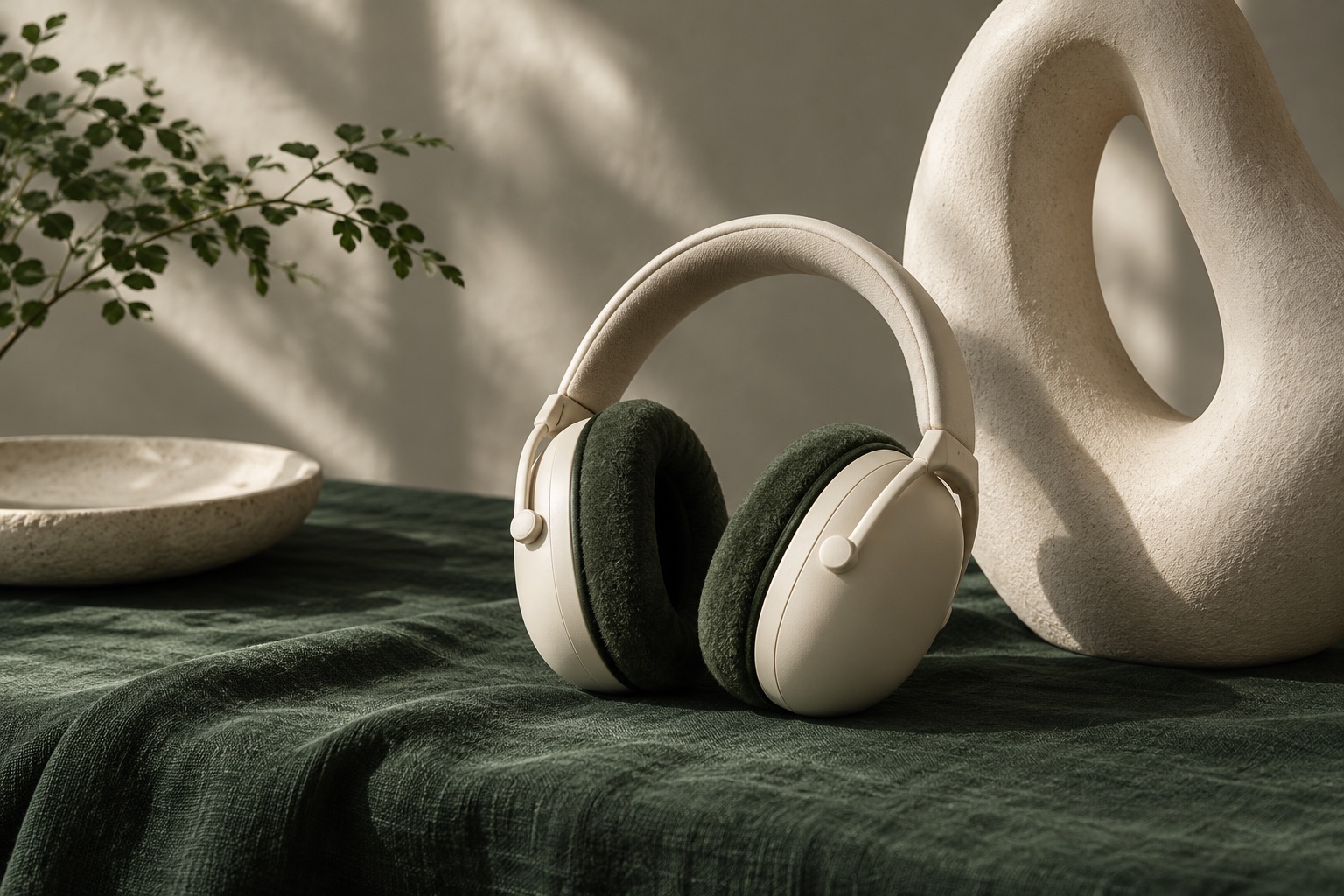
Illustration: AI-created editorial image. It does not show a tested product, a verified venue or a reader’s personal experience.