Wellbeing / Research-based guide
A Screen-Break Setup You Can Use Without Buying Anything
By Asian Beauty Finder · Updated October 29, 2026 · Research-based editorial
In this guide
Choose a distant place to look, a reminder you will notice and a way to pause your task. A screen break should give your eyes a change of focus, rather than move you straight to your phone.
What the guidance actually says
The National Eye Institute suggests the 20-20-20 approach: every 20 minutes, look at something about 20 feet away for 20 seconds. This is a practical eye-rest reminder, not a promise to prevent every eye condition. Regular eye care still matters.
Set up the break before the next work session
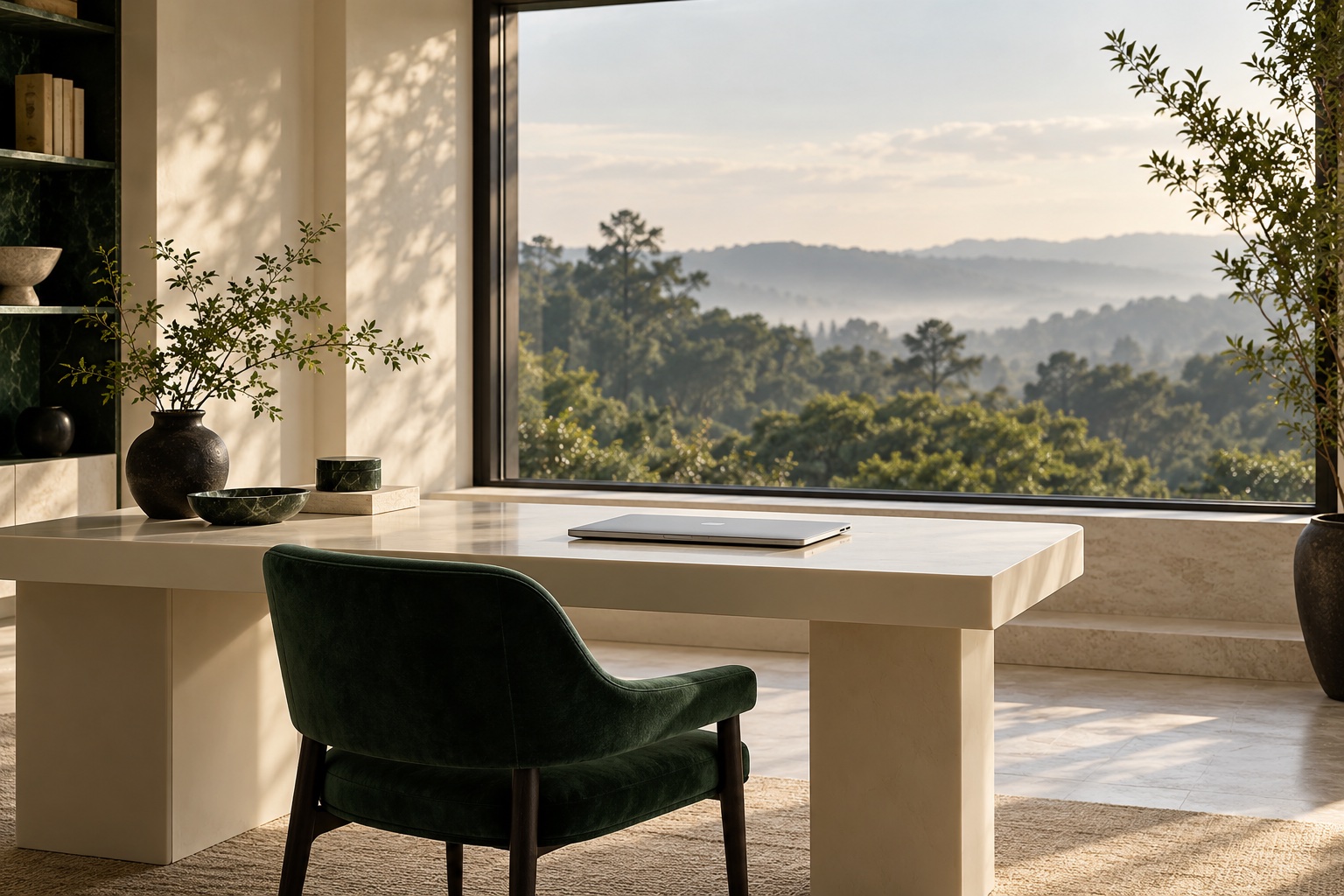
- Find a distant visual target, such as trees through a window or the far end of an open space. Do not look at the sun.
- Choose one prompt: a quiet timer, a watch reminder or an existing accessibility reminder. Avoid stacking several alerts.
- Leave a short note at the point where you stop, such as “check paragraph three.” That makes returning less disruptive.
- When the reminder arrives, look away from the near screen. Checking messages on another small screen defeats this particular purpose.
- At the end of the session, ask whether the prompt was usable. Change the prompt rather than buying a more elaborate dashboard.
Match the reminder to the room
| Setting | Try | Trade-off |
|---|---|---|
| Quiet home desk | A gentle audible timer | Sound may interrupt other people |
| Shared office | A silent visual or watch prompt | It may be easier to miss |
| Video calls | A discreet note beside the screen | You need to remember to act on it |
These are implementation options, not clinically compared interventions. If your work cannot pause at the suggested moment, build breaks into available transitions and discuss feasible adjustments with your workplace. A reminder should support the workday, not become another score to chase.
Know the limit of a desk adjustment
A screen-break routine does not diagnose persistent discomfort or changing vision. Arrange appropriate eye care if symptoms continue. Do not use an unverified eye exercise or a new pair of glasses as a substitute for an assessment. For this setup, the no-purchase option is straightforward: use an existing clock and a visible note.
Test the reminder in one real work session
Before starting, place a small note beside your work: “look away; return to the next sentence.” Choose a reminder already available on your device, then test that you can notice it without interrupting someone else. This is an example of organizing a task, not a clinically tested reminder system.
If the prompt disappears behind a full-screen call, the problem may be the prompt rather than your motivation. If the sound disrupts a shared room, try a silent option. If a distant view is unavailable from your seat, identify another suitable place to look before the next session, without moving into an unsafe area.
At the end, record only what you need to change: missed alert, unsuitable timing or no clear return point. You do not need a health score, a paid dashboard or an uninterrupted streak. The aim is to make the recommended pause easier to remember within the practical limits of your work.
Evidence and editorial approach
This is a research-based practical guide, not a report of personal testing or medical advice. The planning examples are our editorial suggestions; they have not been tested as a treatment. The narrow health guidance above is based on the public-agency source below, not on social-media popularity.
Source checked 29 October 2026: National Eye Institute: Keep Your Eyes Healthy.
Commercial disclosure: This article contains no affiliate links and is not sponsored. No purchase is required to use the checklist.
Continue reading
For time away from the desk, read how to plan a walking week.
Illustration: AI-created editorial image. It does not show a tested product, a verified venue or a reader’s personal experience.